
Dhyāna Ślokam in Bharatanatyam
Introduction
Angikam Bhuvanam Yasya
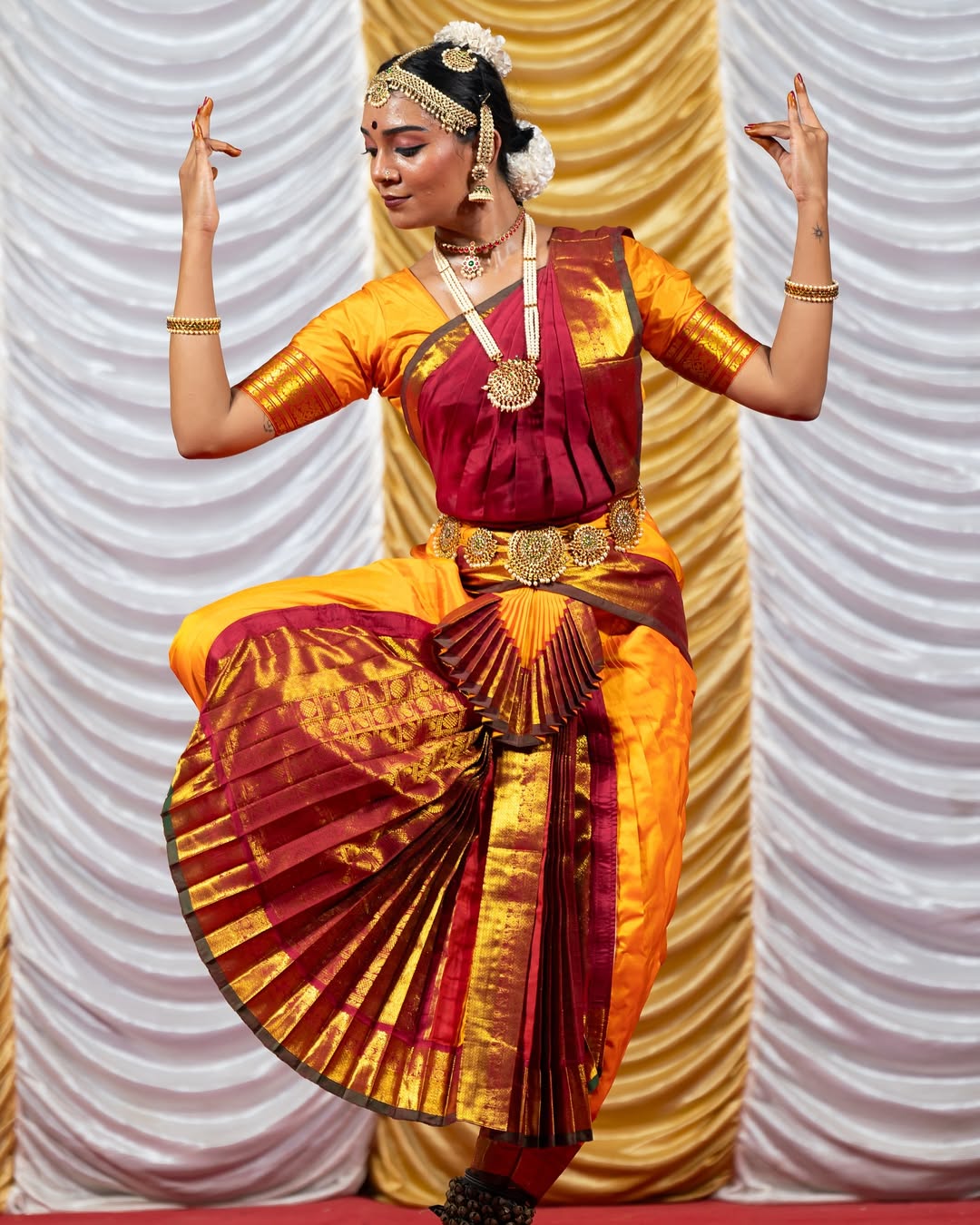
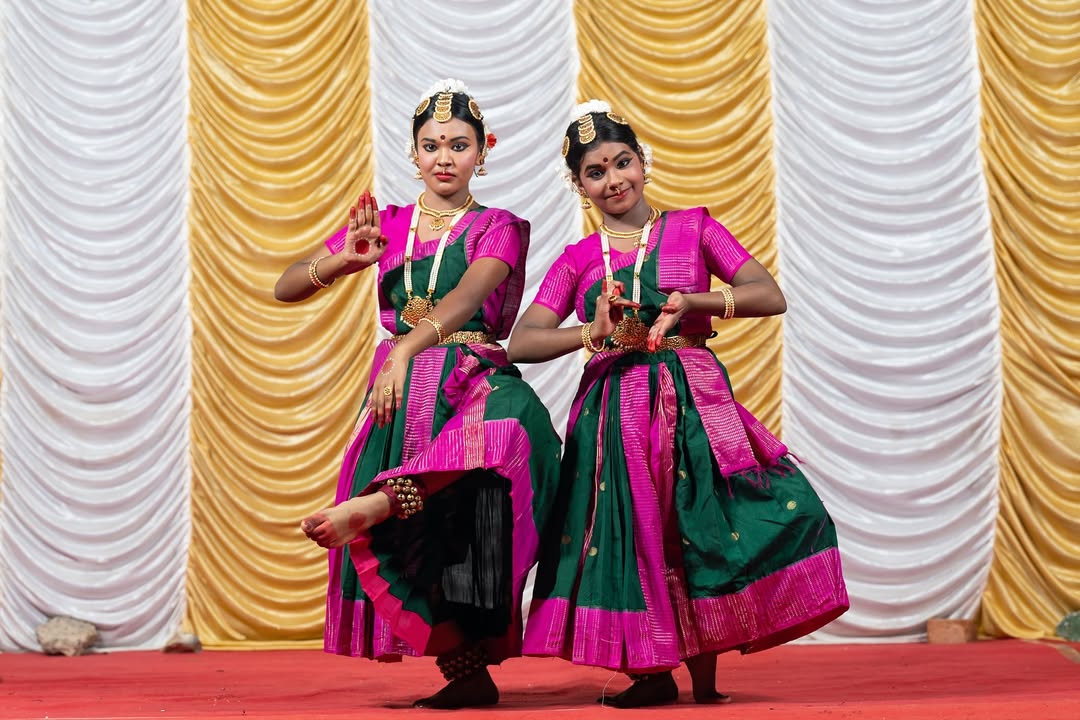
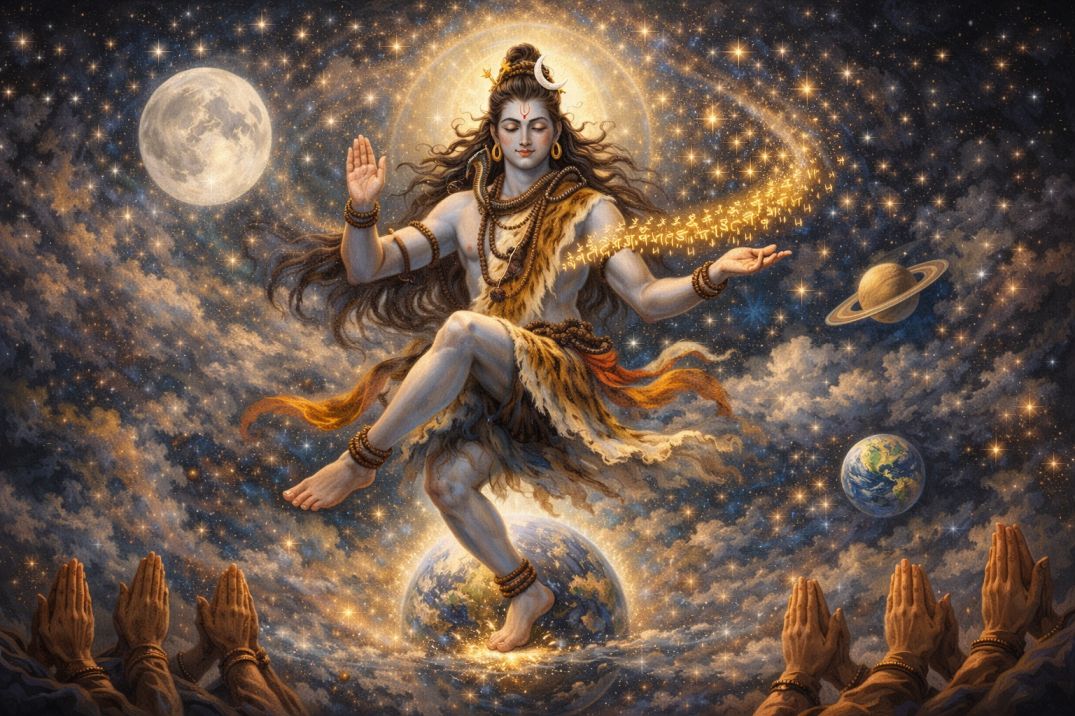
In Bharatanatyam, every performance begins with Dhyāna (meditation). A Dhyāna Ślokam helps dancers center their mind, body, and soul before offering their art to the divine. One of the most important and commonly recited ślokas is dedicated to Lord Shiva, the cosmic dancer (Nāṭarāja), who is considered the source of all dance forms.
The Dhyāna Ślokam
Angikam bhuvanam yasya
Vachikam sarva vangmayam
Aharyam chandra tārādi
Tam namaḥ sāttvikam śivam
Meaning of the Ślokam
This ślokam describes Lord Shiva as the embodiment of the universe itself—where every movement, sound, and form originates from Him.
Word-by-Word Meaning
| Sanskrit Word | Meaning |
|---|---|
| Angikam | Body |
| Bhuvanam | Universe |
| Yasya | Whose |
| Vāchikam | Speech, song |
| Sarva | All, everyone |
| Vāṅmayam | Language |
| Āhāryam | Ornaments |
| Chandra | Moon |
| Tārādi | Stars |
| Tam | To You |
| Namaḥ | Salutations / I bow |
| Sāttvikam | Pure |
| Śivam | Lord Shiva |
Importance of This Ślokam for Bharatanatyam Students
- Reminds dancers that dance is divine, not merely physical movement
- Helps cultivate bhakti (devotion) and focus before practice or performance
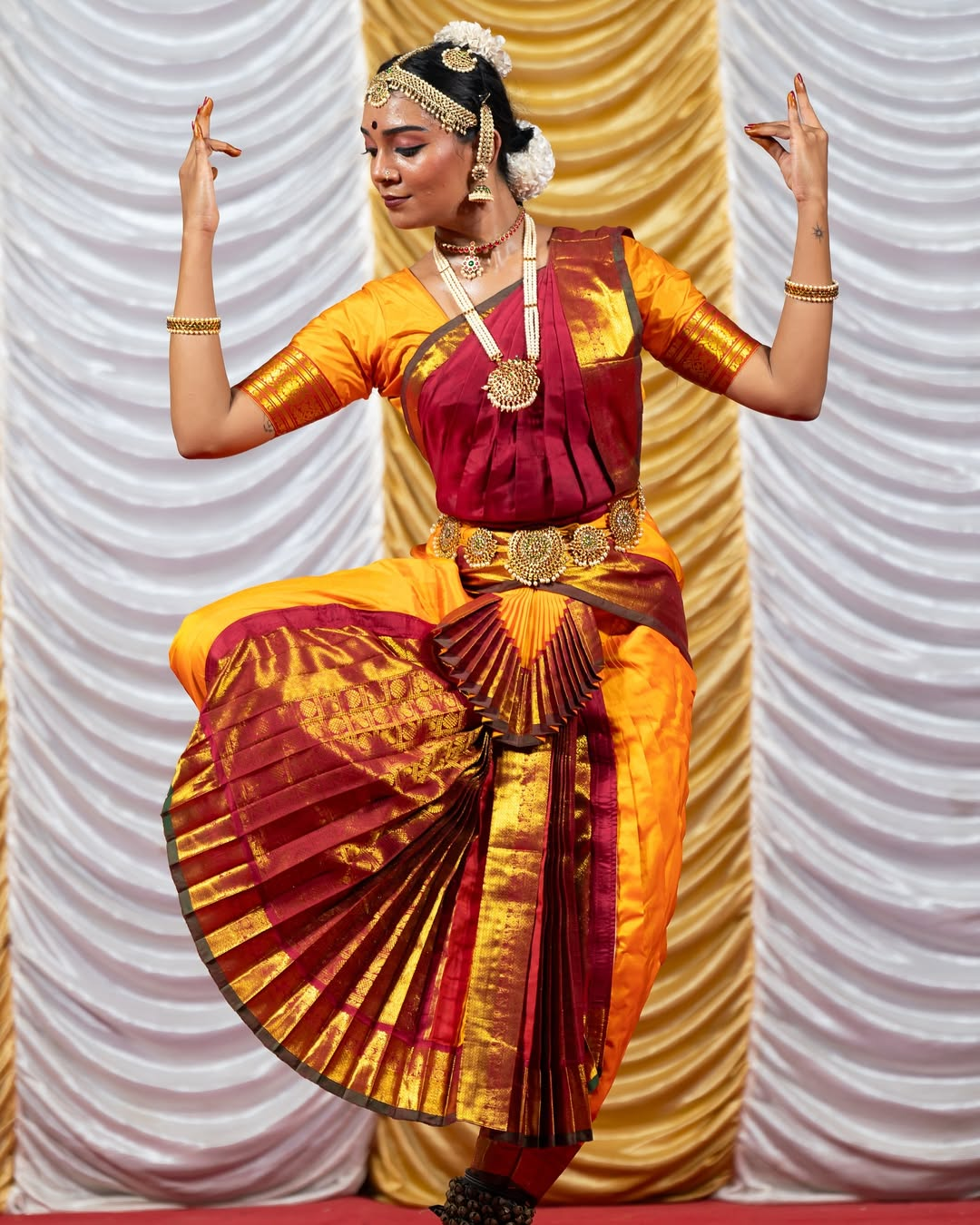
- Symbolizes the Angika, Vāchika, and Āhārya Abhinayas
- Connects the dancer to Nāṭarāja, the cosmic dancer and supreme teacher
Practice Tip for Students
Before starting your adavus, abhinaya, or stage performance:
- Stand in a calm and steady posture
- Recite the ślokam with clear pronunciation
- Visualize Lord Shiva as Nāṭarāja
- Offer your dance as a sacred prayer
“Dance is not just movement; it is meditation in motion.”